
Compatibility comes first
Before specifying a chemical filler, wetted materials should be checked against the product. Some products require non-metallic contact parts, corrosion-resistant pipework, specialist seals or fume management.
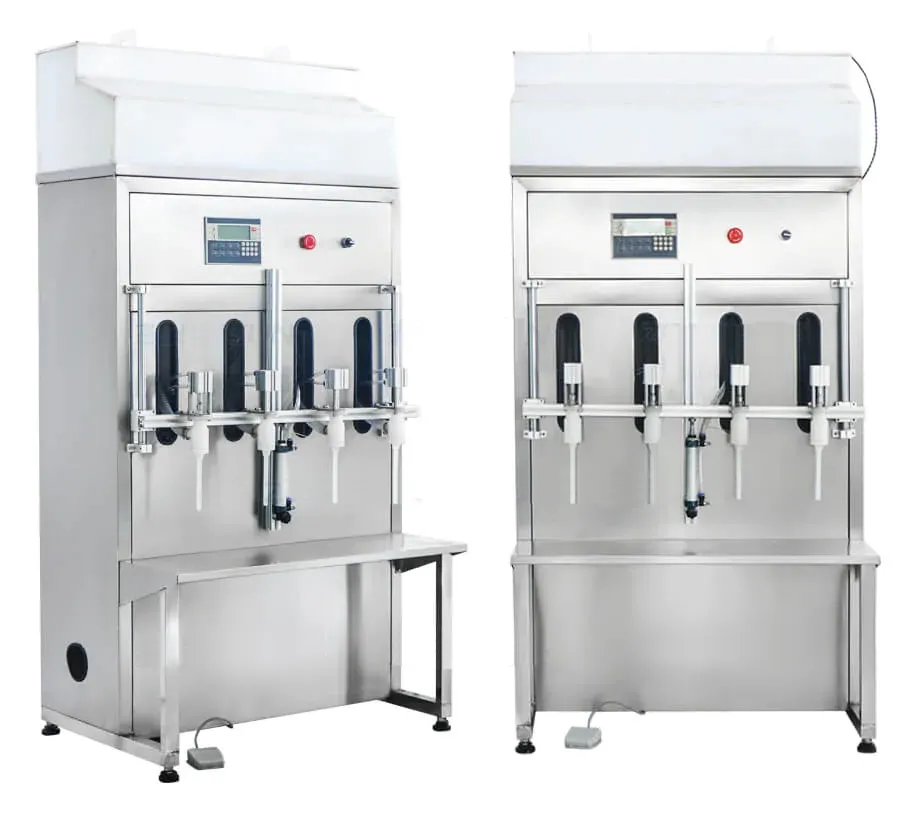
Chemical filling machines
Chemical filling needs careful attention to compatibility, operator safety, vapour, corrosion, foaming and clean handling. Lancing can review the product data and specify a machine suited to the liquid and working environment.
Specification guide
These notes are written for buyers comparing filling machinery options before requesting a quotation.
Before specifying a chemical filler, wetted materials should be checked against the product. Some products require non-metallic contact parts, corrosion-resistant pipework, specialist seals or fume management.
Solvents, alcohol-based products and flammable liquids may require ATEX assessment. A standard filling machine should not be assumed suitable for a zoned area without review.
Detergents and cleaners can foam during filling. Controlled speeds, nozzle selection and diving fill options can help maintain a cleaner process.
Key considerations
PP, PTFE, PVC and compatible materials can be considered for aggressive liquids.
Nozzle movement and flow control can reduce foam and splashing.
Flammable liquids should be checked against the working area and equipment protection requirements.
Bottle, jerrycan, bucket and larger-container filling can be reviewed.
Relevant machines
Automatic filling machines
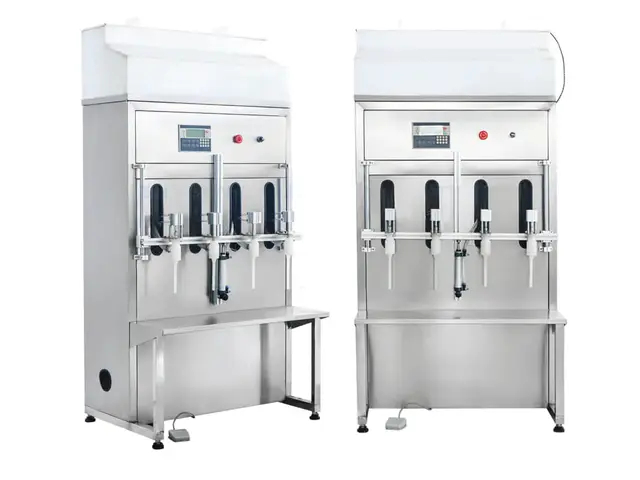
Automatic gravity filler engineered for corrosive liquids like bleach, acids and fertilizers. Non‑metal wetted parts (PP/PTFE/PVC) protect product quality and machine life.
View details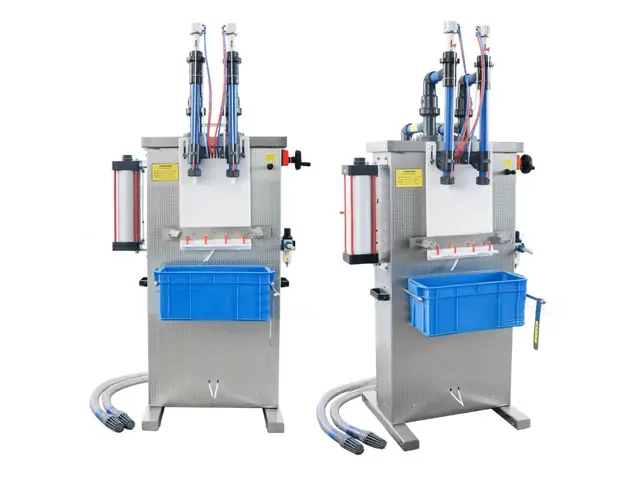
Semi-automatic filling machines
Fully pneumatic, double‑head filler engineered for corrosive liquids like toilet cleaner and acids. All wetted parts are plastic to resist HCl and similar chemicals.
View details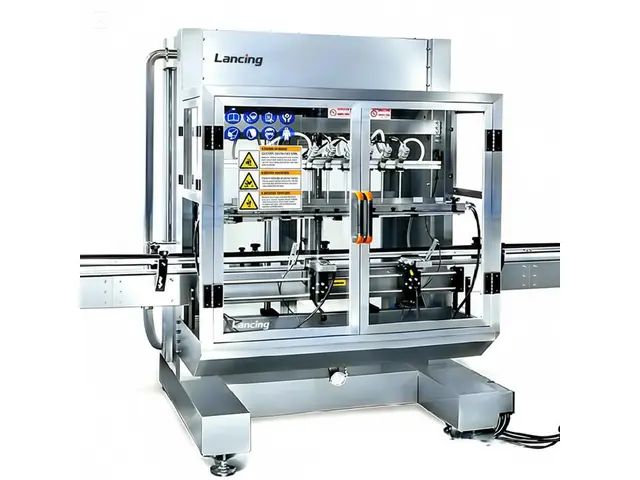
ATEX filling machines
Automatic filling platform engineered for flammable solvents in zoned environments. Explosion‑protected electricals and pneumatic actuation reduce ignition risks and support compli…
View details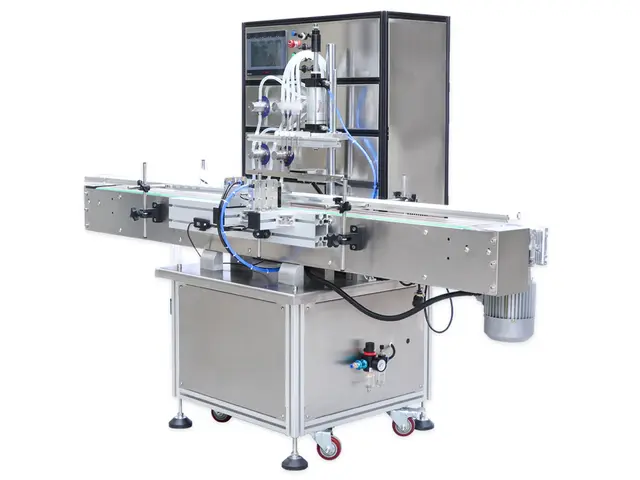
Automatic filling machines
Equipped with a gear pump, this liquid filling machine can work automatically. The machine can fill about 30 bottles/min (at 5L). Each filling nozzle of this machine can be cont…
View details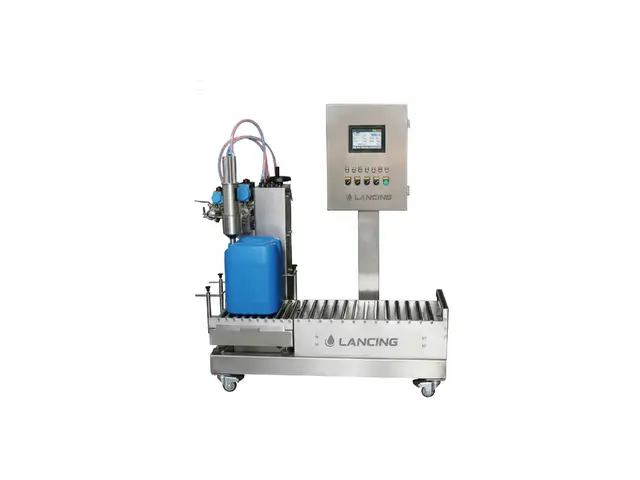
Semi-automatic filling machines
Weighing-based large-volume filler for 5–30 L containers. Diving nozzles handle foamy liquids cleanly while the gear pump keeps supply steady; the conveyor transfers filled buckets…
View details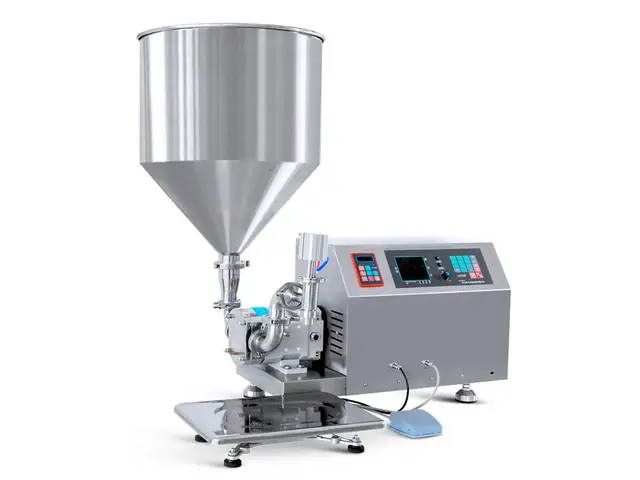
Specialist filling machines
The Roto Lube pump filling machine has advantage of high accuracy when filling thick liquid or paste like jam,noodle pulp,meat stuffing,tomato paste etc.It is widely used in food,c…
View detailsRelated guides
FAQ
Yes, but only with suitable contact materials and machine design. Product compatibility must be checked before specification.
They may, depending on the product and classified area. Lancing can review the requirement with your product information.
Yes. Detergents can be filled with suitable pump, nozzle and foam-control options.
Speak to Lancing
Tell us the liquid, container, fill range and target output. Lancing will recommend a practical semi-automatic, compact or fully automatic option.
Technical guidance
Use verified substance and site information before approving materials or safety scope.
Check formulation, concentration, temperature, seals, hoses and cleaners.
Read guideProvide SDS and competent hazardous-area information where relevant.
Read guideDefine IBC/tank connection, pressure, containment and refill.
Read guidePlan draining, decontamination, inspection and first-good-pack release.
Read guideChemical filling applications
Chemical filling requires application-specific review of compatibility, hazardous residues, product recovery, controls and site risk. A product name alone is not enough to confirm a machine.
Hazardous product residue should be addressed through the site’s safe system of work before maintenance begins. The process may require isolation, draining, flushing, neutralisation or decontamination, with confirmation that the equipment is safe to open. The correct method depends on the substance, SDS, machine design and site assessment and should not be improvised by service personnel.
Recovered chemical product can be reused only where identity, contamination risk, quality and legal controls permit it. The project should distinguish clean recoverable product from mixed rinse, purge, rejected material and hazardous waste. Collection points, compatible vessels and labelling should be defined before production rather than treating all residual liquid as one stream.
Useful chemical-line data may include recipe identity, batch reference, good-pack counts, rejects, alarms, product-low conditions and critical process values required by the site. The specification should define what is recorded, where it is stored, who can change settings and how the filler exchanges ready, run, fault and stop signals with other equipment.
A safety data sheet supports the hazard assessment but does not by itself confirm compatibility with every seal, hose, pump, valve or nozzle. The buyer should provide the current SDS and product information, while compatibility is reviewed against the actual concentration, temperature, exposure time, cleaning agents and proposed product-contact materials. Representative testing may still be required.