Verified Lancing model comparison

Compare Lancing liquid filling machine configurations using verified published data.

A model number is a starting point, not a complete application decision. Use this matrix to shortlist the dosing method and automation level, then confirm product behaviour, container handling, cleaning, utilities and acceptance evidence with representative samples.

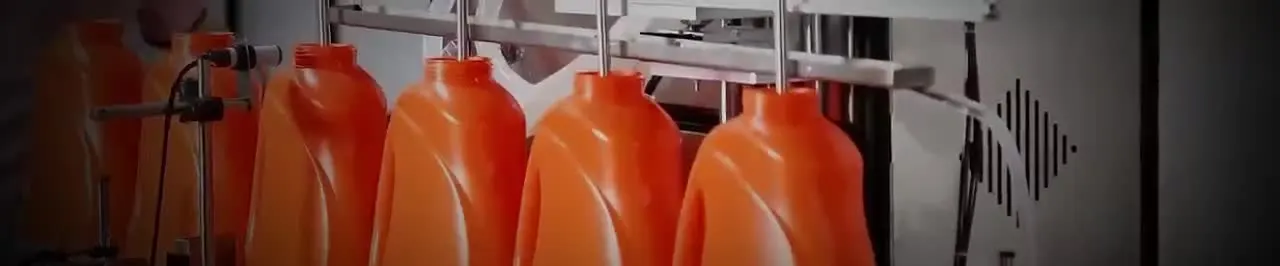
Automatic Lancing liquid filling machinery used to compare dosing and automation configurations

How to use the table

Compare the verified operating envelope before comparing optional features.

The values below reproduce information already published on the corresponding Lancing product pages. They do not approve a product or pack without an application review.

Start with the product and dose

Define viscosity across the real temperature range, foaming, particles, chemical compatibility, target quantity and the smallest and largest approved fills. This narrows the metering principle before controls or cosmetics are compared.

Then test the complete production cycle

Confirm containers, neck access, source vessel, replenishment, nozzle shut-off, pause and restart, cleaning, changeover and downstream constraints. A machine that meters a sample successfully may still need different handling or integration.

Published model data

Verified Lancing liquid filling machine comparison.

“Confirm by trial” identifies the application evidence that still controls selection.

Lancing modelFormat and metering methodPublished working range or capacity referencePublished headsSelection contextConfirm by trial
LUYTCR4AAutomatic gravity, anti-corrosion product path100–3000 ml4, customisableCorrosive liquids where the proposed wetted materials are compatibleFull formulation, cleaning chemistry, vapour and splash conditions, container venting and shut-off
LUVTDP40Automatic diaphragm pumpMaximum published flow approximately 40 L/min4, independently controlledProducts including gels, sanitiser, shampoo and detergent, subject to compatibilityTarget quantities, source conditions, head balance, foam, prime stability and sustained output
LUSVPP80CAutomatic peristalticRecommended approximately 10–500 ml4 channelsApplications benefiting from a replaceable tube product pathTube specification, prime, channel calibration, tube life, pause and restart, and changeover
LUSV6XAutomatic servo-driven pistonPublished modules: 5–100, 10–300, 50–500 and 100–1000 mlMultiple heads, customisableRecipe-controlled piston filling with automatic container handlingProduct feed, motion profile, tracking, pack gaps, blocked-line recovery and format change
LUDTHSP2Compact automatic pistonPublished options from 5–100 ml to 1000–5000 ml2, customisable to 4Compact automatic volumetric filling across several piston modulesCorrect module, viscosity, nozzle, conveyor handling and realistic complete-cycle output
LUDTPP4FCompact automatic peristaltic10–500 ml at 110 V; 10–1000 ml at 220 V4, customisableMulti-channel compact filling with tube-only product contactTube installation, channel calibration, sensor logic, replenishment, operator cycle and tube change
LUGTW2S platformSemi-automatic weight filling with gear-pump feed5–30 L; maximum weighing reference 50 kg2 diving headsLarger containers where measured mass and controlled nozzle movement are requiredScale procedure, head balance, foam, source conditions and the complete operator cycle
LUYTCR2Semi-automatic pneumatic corrosion-proof filler200–1000 ml2Corrosive-liquid duties using a plastic anti-corrosion wetted pathSDS or formulation, all wetted components, air supply, containers, fumes, cleaning and operator protection
LUDP432W (typical)Semi-automatic diaphragm pump with electronic scaleApplication-dependent; no fixed fill range is published on the current page1–2, model-dependentWeight-controlled transfer for compatible liquidsActual pump and configuration, required range, product compatibility, source arrangement and cut-off behaviour
LUGPW1Semi-automatic gear pump with weighing controlApproximately 50 g–50 kg1Broad weight range where the liquid is suitable for gear-pump transferPrime, low-level operation, tare method, target range, nozzle shut-off and clean-down
LUYTPPR2Semi-automatic peristalticPublished water flow reference approximately 12 L/min × 22 channelsTwin-channel filling with tubing selected for the productTarget-volume calibration, tubing, product temperature, operator handling and sustained repeatability
LUCF4ASemi-automatic isobaric or counter-pressure fillingPublished carbonated-product operating conditions rather than a universal fill range4Carbonated cans under controlled product temperature and pressureProduct and carbonation, can format, purge/fill/vent sequence, foam, closure timing and safe pressure operation

Shortlisting sequence

Move from product risk to production evidence in six steps.

This prevents a wide published fill range from becoming the only selection criterion.

  1. Define the liquid: formulation, viscosity range, temperature, foam, particles, abrasiveness, chemical and hygiene constraints.
  2. Define every pack: target fill, container dimensions, neck, rigidity, closure, label and acceptable external cleanliness.
  3. Select the metering principle: compare peristaltic, piston, gear-pump, diaphragm, gravity, weight or counter-pressure operation against the product.
  4. Select automation: include the complete operator cycle, batch length, format changes, future output and upstream or downstream equipment.
  5. Confirm configuration: model, fill module, heads, nozzles, product feed, guards, controls, utilities, spares and documentation.
  6. Test and accept: use representative samples and agreed quantity, drip, foam, output, changeover, stop and restart, and cleaning checks.

Questions buyers ask

How to interpret a filling machine model comparison.

The correct answer depends on the whole production task, not the largest number in one column.

Does the largest fill range identify the best liquid filler?

No. A large published range does not show whether the machine is suitable for the liquid, the smallest dose, the container neck, the cleaning method or the required output. Select the metering principle and configuration against representative operating conditions before comparing range breadth.

Why can two Lancing models cover the same fill volume?

Two models may overlap in quantity while serving different products, production scales or cleaning needs. Peristaltic, piston, pump, gravity and weight systems create different product paths, flow behaviour, changeover tasks and integration requirements.

Are published filling speeds directly comparable?

Not without common test conditions. Output depends on product, dose, heads, container presentation, nozzle movement, replenishment, operator work and downstream acceptance. Compare good finished packs over an agreed run rather than isolated machine cycles.

What must the final model confirmation state?

Record the LU model, revision or platform, fill module, head and nozzle count, wetted materials, product-feed arrangement, control functions, utilities, guarding, options, documentation and the application conditions used to select it.

Why run a trial when the published range looks correct?

A range confirms only one boundary. A trial can reveal foam, air entrainment, delayed drip, particles, container instability, tube or seal behaviour, temperature effects and stop/restart variation that a nominal fill range cannot describe.

What information helps Lancing compare the models?

Send the product and SDS where relevant, temperature and viscosity range, containers and closures, target quantities, batch size, output goal, source vessel, available space, utilities, cleaning method and samples representing the worst approved cases.

Related decision guides

Continue from model shortlist to application evidence.

Use the guides below to define the conditions a quotation and sample trial should address.

Shortlist a verified configuration

Send the product, pack and output requirements for a model review.

Lancing can compare the appropriate dosing method and automation level, then define the samples and acceptance checks required before order.