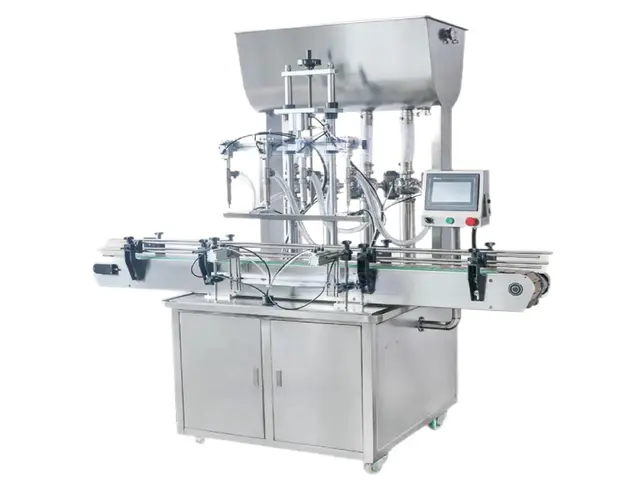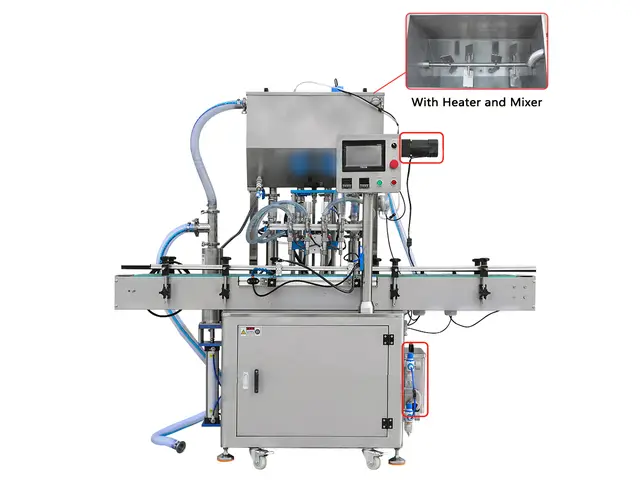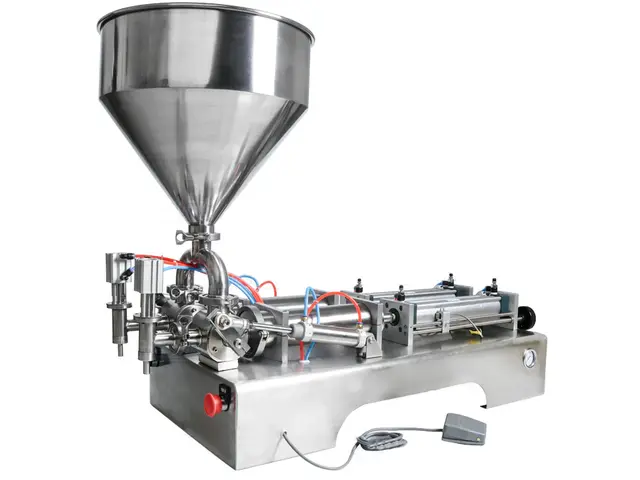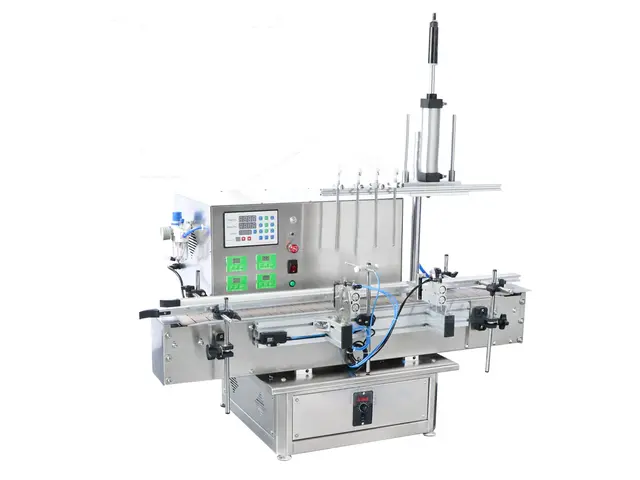
Cosmetic filling machines

Cosmetic filling machines for creams, lotions, gels and perfumes.

Cosmetic products range from free-flowing fragrances and oils to thick creams, gels and lotions. Lancing can help choose filling equipment that protects product presentation, dosing accuracy and changeover efficiency.

Cosmetic filling machines for creams, lotions, gels and perfumes.

Specification guide

How to choose the right system.

These notes are written for buyers comparing filling machinery options before requesting a quotation.

Protecting product presentation

Cosmetic products often need clean nozzles, controlled shut-off and consistent fill levels because presentation matters at retail. Anti-drip nozzles, peristaltic pumps and piston filling can all play a role depending on the liquid.
Small fills and high-value products

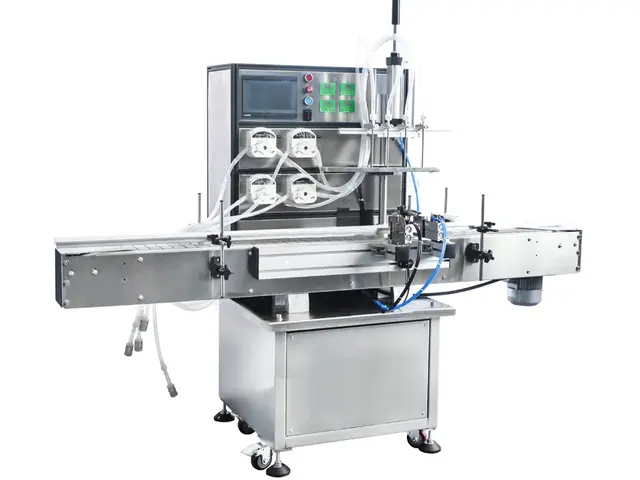
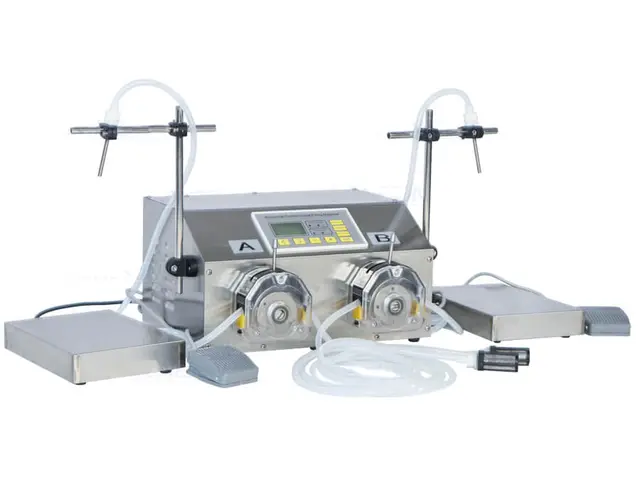
Perfumes, essential oils, serums and toners frequently require accurate small-dose filling. Tubing-based peristaltic systems can reduce product contact and simplify changeovers.

Viscous cosmetic products

Creams, gels, shampoo, conditioner and lotions can require piston, paste or pump-based filling with suitable hopper and nozzle design.

Key considerations

What affects the machine specification?

Small-dose accuracy

Peristaltic filling can support small fills for perfumes, oils and laboratory-style liquids.

Creams and lotions

Piston and paste filling systems suit thicker cosmetic products.

Clean changeovers

Tubing and accessible wetted parts reduce downtime for multi-product production.

Premium presentation

Anti-drip nozzles and stable container handling help reduce mess and rework.

Relevant machines

Lancing filling machinery to review.

View all products
Automatic Peristaltic Filling Machine product image

Automatic filling machines

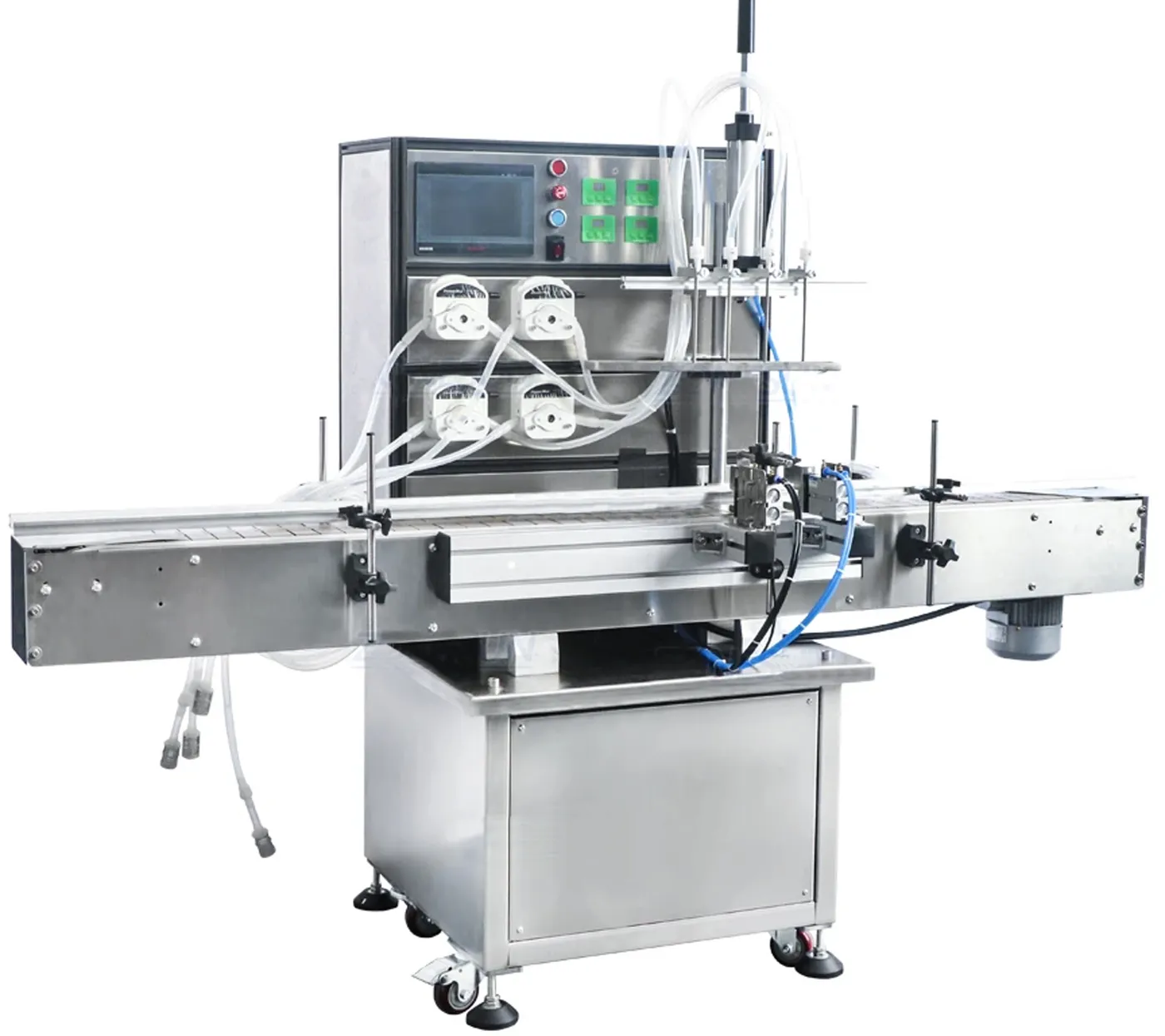
Automatic Peristaltic Filling Machine

Servo‑controlled peristaltic filler with touch HMI. Dosing volume is set directly on the screen—no need to time the fill. Four peristaltic channels keep product inside disposable t…

View details
Automatic Paste Filling Machine product image

Paste and viscous filling machines

Automatic Paste Filling Machine

Six‑nozzle automatic piston filler for viscous products like cream, pesto or béchamel. Select a cylinder module (5–100 to 1000–5000 ml) and run precise volumetric fills.

View details

FAQ

Common questions.

What filler is best for perfume or essential oils?

Peristaltic fillers are often considered for small, high-value liquid fills because the product contacts the tubing rather than the pump body.

Can cosmetic fillers handle creams?

Yes. Creams and lotions normally need a piston, paste or suitable pump filler depending on viscosity.

Can cosmetic filling be automated?

Yes. Filling, capping and labelling can be integrated for higher production volumes.

Speak to Lancing

Need help specifying a filling machine?

Tell us the liquid, container, fill range and target output. Lancing will recommend a practical semi-automatic, compact or fully automatic option.

Technical guidance

Cosmetic liquid filling evidence

Control high-value products, small necks, fragrances and frequent changeovers.

Cosmetic and personal care

Questions that protect cosmetic product quality and batch yield

Cosmetic liquids can combine high product value, variable viscosity, fragrance or colour changeovers and shear-sensitive structures. The filling system should protect both the pack and the formulation.

How can product loss be controlled when filling high-value cosmetics?

High-value cosmetic product loss is controlled by minimising unnecessary fluid-path volume, defining start-up and end-of-batch procedures, preventing overfill and separating recoverable residual product from waste. The acceptance method should measure the whole batch balance and state whether recovered material can be reused under the site’s quality and hygiene controls.

Assess product recovery and waste

How should emulsions and shear-sensitive cosmetics be tested?

Emulsions and shear-sensitive cosmetics should be tested through the complete proposed path, including feed pump, valves, tubing, metering device and nozzle. The comparison should look for aeration, texture change, separation, temperature rise and altered dispense behaviour. A small static sample does not reproduce the stresses of repeated production circulation or filling.

Plan a shear-sensitive product trial

Which recipe controls are useful for cosmetic filling?

Useful cosmetic-filling recipes may control fill target, product-specific metering profile, nozzle motion, cut-off delays, container format and product-feed conditions. Recipe access should be role based and names should identify the product and pack unambiguously. Where quality data is required, the exact values and batch reference must be defined rather than assuming the filler records everything.

Specify recipe and data requirements

What should be checked for colour or fragrance changeover?

Colour or fragrance changeover should identify product-contact dead legs, absorbent or permeable materials, seals, tubing and surfaces where residue can remain. The cleaning method should use a defined worst case and a verification criterion relevant to the next product. Parts that retain odour or pigment may need dedicated sets rather than repeated extended cleaning.

Plan colour and fragrance changeover