
Lost prime or bubbles
Recognise unstable product supply and avoid repeated adjustment that hides the source problem.
Liquid filling machine competence
Machine handover is not complete when one operator has watched a demonstration. Define who runs, sets, cleans, maintains and supervises the filler, then verify each person’s ability to perform the relevant task safely and produce an acceptable pack.
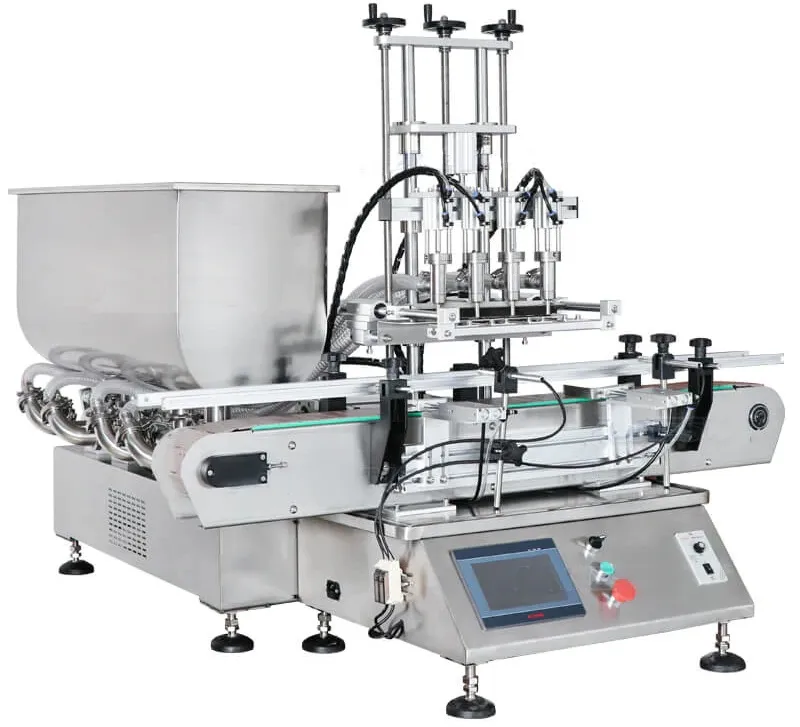
Role-based training
The employer remains responsible for competence, supervision and the site safe system of work.
| Role | Training scope to define | Practical sign-off evidence |
|---|---|---|
| Operator | Pre-use checks, start and stop, container loading, normal recipe selection, fill checks, alarms, housekeeping and escalation. | Runs a normal batch, identifies an abnormal pack, responds correctly to permitted alarms and completes records. |
| Setter or changeover technician | Physical format parts, nozzle position, hose or tube setup, recipe selection, calibration and first-off approval. | Completes a representative changeover and restores an approved setup without unsafe shortcuts. |
| Cleaner | Product hazards, isolation boundary, disassembly, cleaning agents, inspection, reassembly and release records. | Completes the approved cleaning sequence and identifies damaged or incorrectly fitted product-contact parts. |
| Supervisor or quality | Batch release, quantity checks, recipe authority, deviation response, reject segregation and restart approval. | Reviews evidence, controls setting changes and makes the required escalation or release decision. |
| Maintenance | Safe isolation, stored energy, guarded access, diagnostics, approved parts, settings backup and return-to-service test. | Demonstrates the site procedure for an authorised task and verifies safe controlled operation after work. |
HSE guidance requires adequate information, instruction and training for work equipment and appropriate competence for those who use or maintain it. See HSE training and competence for work equipment.
Training sequence
Abnormal conditions
Recognise unstable product supply and avoid repeated adjustment that hides the source problem.
Stop when packs, measurement or working area are no longer acceptable and use the approved response.
Do not reach into hazardous movement or defeat guarding; follow the permitted clearing and isolation procedure.
Understand which settings must not be changed to compensate for a utility or source fault.
Follow the sampling and escalation rule, identify affected packs and involve the authorised role.
Quarantine incorrect, worn or incompatible parts rather than returning the machine to production.
Handover pack
Questions buyers ask
Anyone who operates, sets, cleans, supervises, maintains or intervenes in the machine needs training appropriate to that role. A person authorised only to run a recipe does not automatically have competence to calibrate, bypass a fault or enter a guarded area.
The operator should complete pre-use checks, start and stop correctly, run the approved format, identify unacceptable packs, respond to permitted alarms, keep the area controlled and escalate conditions outside their authority.
Yes, where they can be introduced or simulated safely. Training should cover foreseeable abnormal conditions, the correct stop and escalation response, pack segregation and when isolation or competent maintenance is required.
Use triggers such as a machine or process change, new product or format, revised procedure, extended absence, incident, observed unsafe practice, repeated quality error or evidence that competence has declined.
No. Supplier training can explain the machine and agreed scope, but the employer must integrate it with site hazards, products, risk assessment, supervision, procedures and ongoing competence management.
Define roles, number of people, products and formats, training location, language needs, practical tasks, documentation, assessment, handover evidence and any later refresher or maintenance training required.
Related operation guides
Plan the handover scope
Send the intended roles, products, formats, operating pattern and site procedures so the machine handover can be planned around the people who will use it.