
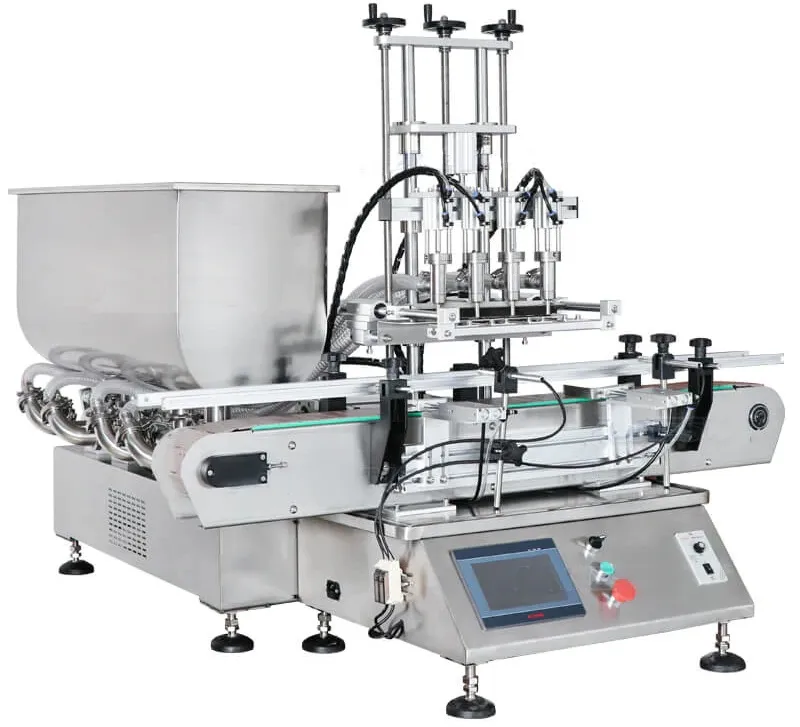
Benchtop fillers UK

Benchtop liquid filling machines for compact production areas.

A benchtop liquid filling machine gives growing manufacturers a controlled step up from hand filling. Lancing can supply compact filling systems for small workspaces, trials, pilot batches and production cells that need repeatable dosing without a large footprint.

Benchtop liquid filling machines for compact production areas

Specification guide

How to choose the right machine.

Use these notes to narrow the specification before requesting a quotation.

Product behaviour

Benchtop fillers are normally chosen when footprint, budget, flexibility and quick cleaning matter more than maximum speed. The right dosing principle depends on whether the product is thin, viscous, foaming, corrosive, abrasive or sensitive to shear.
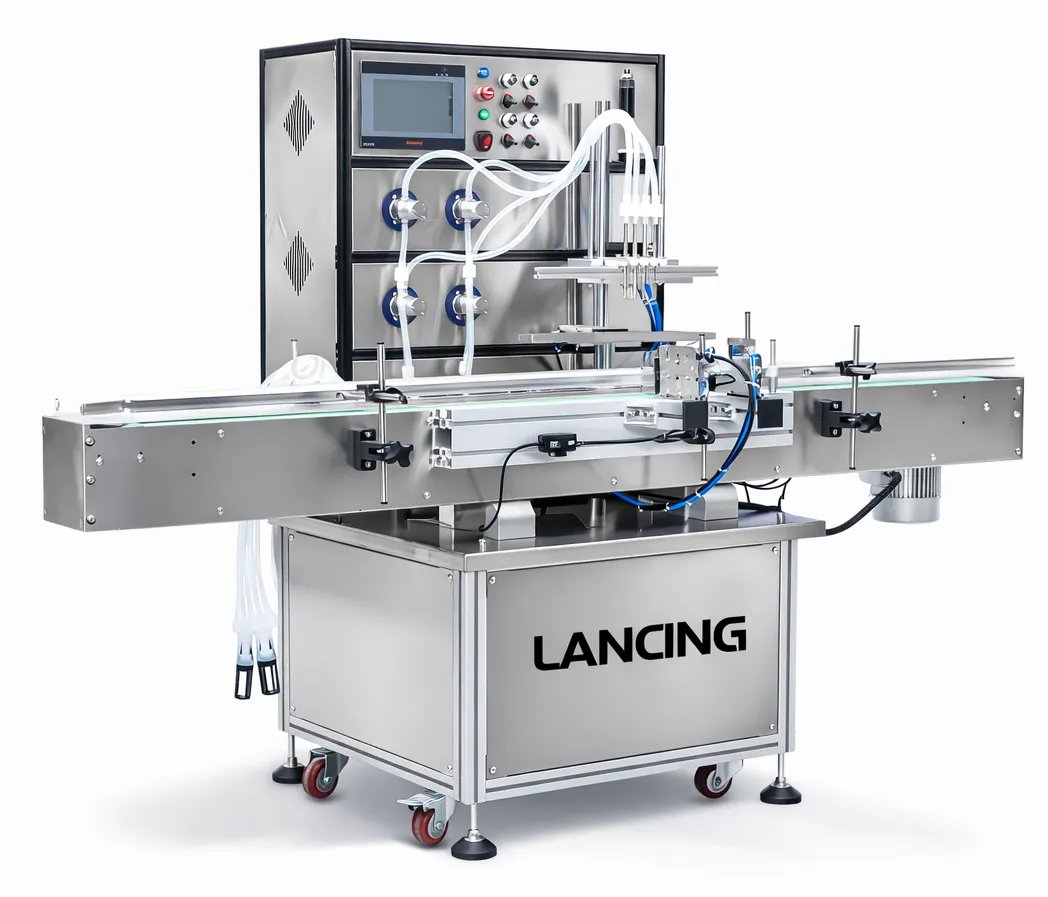
Container and fill range

Confirm bottle, jar, vial, bucket or jerrycan dimensions, neck opening, fill volume range and whether the same machine must cover multiple formats.

Output target

Daily volume and containers per minute decide whether a compact, semi-automatic or fully automatic configuration is the sensible starting point.

Changeover and cleaning

Product-contact parts, hose sets, hopper design and tool-free changeover can make a major difference when products or container sizes change regularly.

Applications

Typical uses for this filling machinery.

  • start-up manufacturing
  • pilot plants and R&D work
  • seasonal or short-run batches
  • compact clean production spaces

Lancing can review the product, container and target output to recommend a practical machine configuration rather than a generic one-size-fits-all filler.

Relevant machines

Lancing filling machinery to review.

View all products
Liquid Filling Machinery product image

Liquid filling machines

Liquid Filling Machinery

Liquid filling machines configured for free-flowing, foamy, corrosive, hygienic or high-value liquids in bottles, vials, jerrycans and buckets.

View details

FAQ

Common questions.

What information is needed to specify a benchtop liquid filling machine?

The main details are product name, viscosity, fill volume, container dimensions, closure type, required output, cleaning requirements and whether the liquid is foamy, corrosive, flammable, hot-filled or hygienic.

Can Lancing supply semi-automatic and automatic benchtop liquid filling machine options?

Yes. Lancing can discuss semi-automatic, compact and fully automatic configurations depending on output target, operator involvement and future production plans.

How do I know which filling method is right?

The best method depends on product behaviour. Thin liquids, viscous products, foamy liquids, corrosive chemicals and high-value small fills may each need a different filling principle.

Speak to Lancing

Need help specifying a filling machine?

Send the product, container, fill range and target output. Lancing will recommend a suitable semi-automatic, compact or fully automatic option.

Plan the whole benchtop workstation

A benchtop liquid filler occupies more space in use than its machine outline alone. Draw the work area with the product supply, empty bottles, filled-pack staging, closures and routine check equipment in their intended positions. Ask the proposed operator to review the sequence of tasks. This makes the comparison between compact machines more useful because it shows how each one fits the available workspace and the actual batch-handling method.

Working footprint
Include room for the supply vessel, hoses, operator access and removal of parts for the agreed cleaning method.
Bottle sequence
Describe how empties reach the filling point and how filled bottles are separated from packs waiting to be checked or closed.
Batch timing
Measure or estimate loading, filling, checking, closing and cleanup as distinct activities when defining the required output.

Is a benchtop filler’s cycle speed the same as the workstation output?

Use the complete work sequence to assess output. Ask the trial to include the operator’s pack handling, product replenishment and checks rather than counting only the machine’s dosing cycles.