
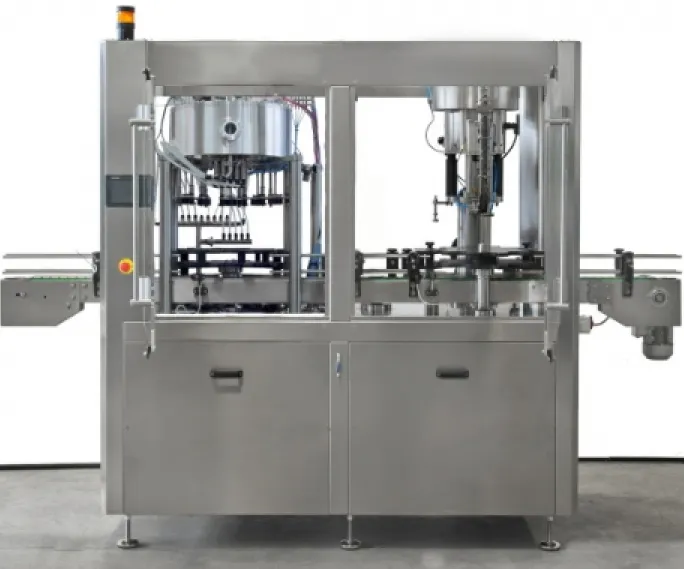
Carbonated drink filling machines

Automatic Isobaric Counter Pressure Filling Machines

Manufactured for Lancing, GD series constant pressure filler is an advanced level bottle-filling machine which is designed and developed to offer consistent and reliable operation. These machines are mainly used in filling beers and soda drinks, such as cola, light sparkling wine, mineral water and so on. They have an advanced structure offering smooth, reliable and safe operation, convenient maintenance, stepless speed adjustment and high-efficiency production. These machines are an ideal filling solution for small to medium drinks producers. Available in a variety of configurations, Lancing fmachines are available for semi-automatic operation through to multi-head machines with automated bottle rinsing and capping.
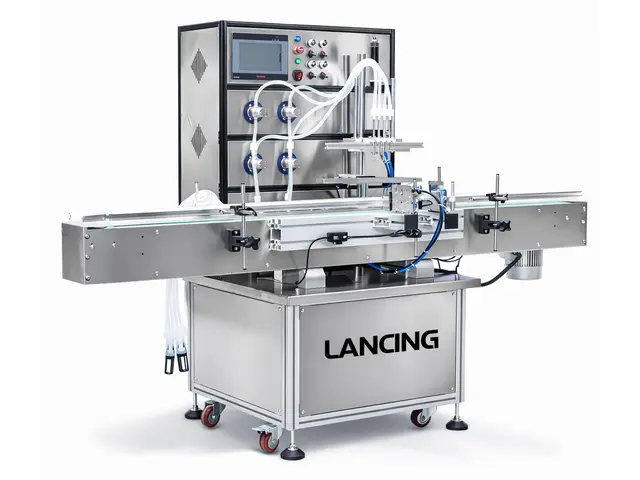
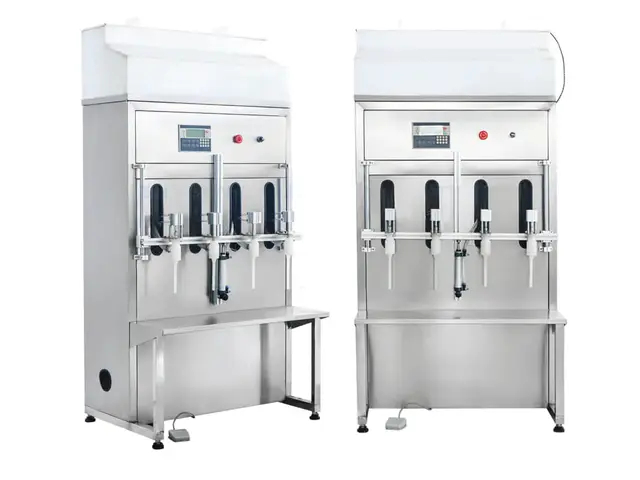
  • UK support
  • Configurable specification
  • Operator-friendly controls
Automatic Isobaric Counter Pressure Filling Machines product image

Key features

Built for practical production use.

Application note 1

Manufactured for Lancing, GD series constant pressure filler is an advanced level bottle-filling machine which is designed and developed to offer consistent and reliable operation. These machines are mainly used in filling beers and soda drinks, such as cola, light sparkling wine, mineral water and so on. They have an advanced structure offering smooth, reliable and safe operation, convenient maintenance, stepless speed adjustment and high-efficiency production. These machines are an ideal filling solution for small to medium drinks producers. Available in a variety of configurations, Lancing fmachines are available for semi-automatic operation through to multi-head machines with automated bottle rinsing and capping.
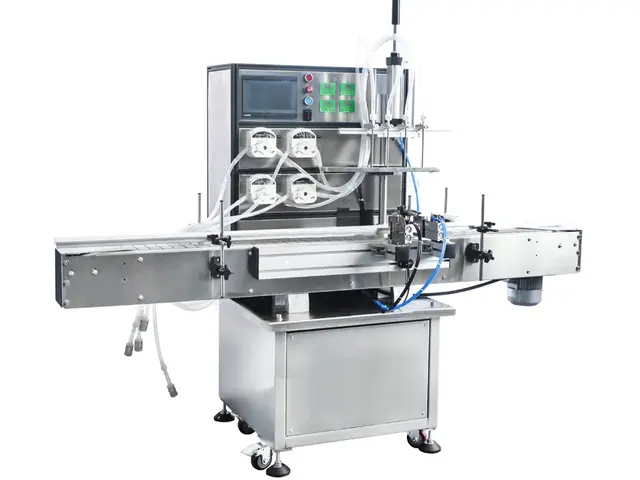
Application note 2

A counter pressure (isobaric) bottle filler works by maintaining constant carbon dioxide (CO2) gas pressure on the beer, wine or soft drink as the bottle is filled. Bottles and drinks are typically chilled to reduce foaming due to temperature differences. The bottle is first pressurized with CO2, the fill valve is opened, and the CO2 is then vented to allow the bottle to fill from the bottom. Lancing Filling Machines are available in a variety of configuations. with upto 32 filling heads and options for mono-block design with rinsing and capping included

Technical information

Specifications.

Performance varies by product, container and setup. Ask for a timed trial or specification review.

Product notes

Isobaric Filling Machine

Manufactured for Lancing, GD series constant pressure filler is an advanced level bottle-filling machine which is designed and developed to offer consistent and reliable operation. These machines are mainly used in filling beers and soda drinks, such as cola, light sparkling wine, mineral water and so on. They have an advanced structure offering smooth, reliable and safe operation, convenient maintenance, stepless speed adjustment and high-efficiency production. These machines are an ideal filling solution for small to medium drinks producers. Available in a variety of configurations, Lancing fmachines are available for semi-automatic operation through to multi-head machines with automated bottle rinsing and capping.

A counter pressure (isobaric) bottle filler works by maintaining constant carbon dioxide (CO2) gas pressure on the beer, wine or soft drink as the bottle is filled. Bottles and drinks are typically chilled to reduce foaming due to temperature differences. The bottle is first pressurized with CO2, the fill valve is opened, and the CO2 is then vented to allow the bottle to fill from the bottom. Lancing Filling Machines are available in a variety of configuations. with upto 32 filling heads and options for mono-block design with rinsing and capping included

Applications

Typical uses.

Carbonated drinks

Beer, sparkling drinks, RTD cocktails and other pressurised beverages.

What is included

Specification, machine supply and support.

  • Machine specification review
  • Installation options
  • Operator guidance
  • After-sales support

Enquiries are sent to sales@lancinguk.com. We normally respond promptly during UK business hours.

Related products

Similar filling machinery.

Liquid Filling Machinery product image

Liquid filling machines

Liquid Filling Machinery

Liquid filling machines configured for free-flowing, foamy, corrosive, hygienic or high-value liquids in bottles, vials, jerrycans and…

View details

Machine demonstration

Counter-pressure filling heads shown operating over indexed containers.

The close-up video provides evidence of the mechanical filling arrangement. Beverage condition, pressure sequence, fill result and closure timing must be verified in a representative production trial.

Close-up of an automatic counter-pressure filling station with multiple heads and rotary container indexing.

Visual transcript

Containers move through a green rotary indexing section beneath multiple stainless filling heads. The heads engage with the container openings as the counter-pressure filling station advances through its operating sequence.

Carbonated-product trial

Control temperature, pressure, venting and closure as one process.

Counter-pressure filling protects the product only when the full sequence is matched to the beverage and package.

Trial variableWhat to recordWhat it can affect
Product conditionBeverage temperature, carbonation or process pressure and time since preparationFoam, gas breakout, fill stability and the repeatability of comparisons.
Container conditionMaterial, opening, temperature, cleanliness, strength and manufacturing variationSeal at the filling head, pressure response, breakage risk and final presentation.
Purge and pressurisationSequence, set pressure, dwell and confirmation that the container is correctly engagedOxygen exposure, pressure balance and the start of the fill.
Filling and ventingFill-tube position, product flow, vent rate and end conditionTurbulence, foam, product loss and cycle time.
Pressure releaseRelease sequence and container condition before transferSudden foaming, splash and the stability of the filled pack.
Closure timingTime and transfer from fill completion to cap or can-end applicationProduct loss and the condition presented to the closing operation.
Stop and restartProduct state, containers in the machine, pressure status and first accepted packsControlled recovery without an uncertain fill or uncontrolled release.

Buyer questions

Questions to resolve before a counter-pressure filler is accepted.

Why are product and container temperature important?

Temperature affects gas behaviour and foaming. The trial should use the intended beverage and pack temperatures and record them with pressure and fill results.

What samples are needed for a counter-pressure trial?

Provide representative carbonated product, production containers and closures, together with the target fill, pressure conditions and intended closing sequence.

Is the machine controlling volume or visible level?

The supplied configuration and acceptance method must state the controlling measure. Counter-pressure operation describes how pressure is managed; it does not by itself define whether the commercial result is volume, mass or level.

What can cause excessive foam or product loss?

Temperature difference, pressure imbalance, rapid venting, turbulence, unsuitable fill-tube position, container variation and delay before closure can all contribute. Test the complete sequence.

Should rinsing and capping be tested with the filler?

Where those operations form one line or monoblock, test container transfer, hygiene sequence, pressure release, closure timing and fault recovery together rather than accepting the filler in isolation.