
State the sale or process target
Identify whether the requirement is volume, mass, visual level or another controlled quantity. Do not assume that equal-looking packs contain equal quantities.
Quantity-control comparison
Fill by volume controls a defined volume or a calibrated machine movement, fill by weight controls measured net mass, and fill to level controls the visible liquid height in the container. None is universally best. The suitable method depends on what the buyer must declare or control, product density and flow behaviour, container variation, pack size, handling stability and the agreed verification method.
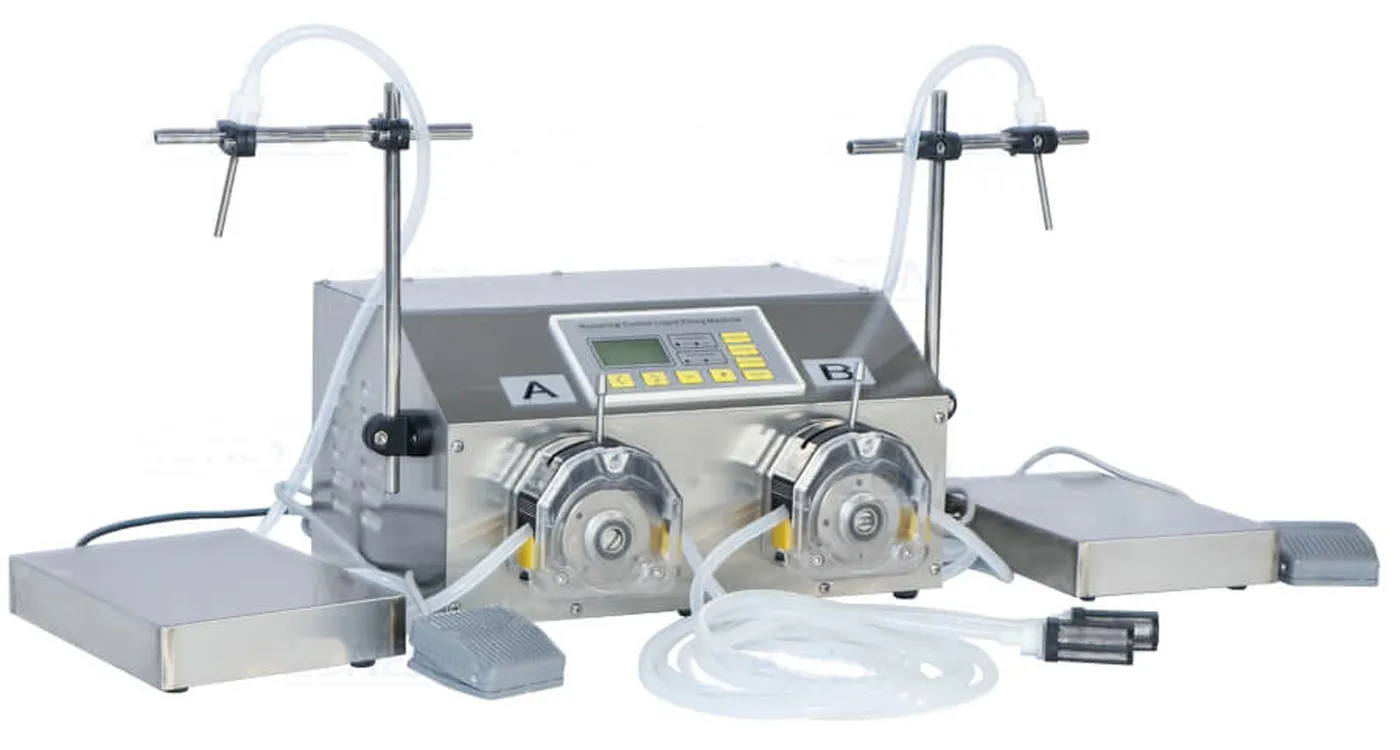
Choose the variable that matches the requirement
The acceptance plan should name both the target variable and the independent check.
| Method | Primary controlled endpoint | Important dependencies | Useful when |
|---|---|---|---|
| Fill by volume | A displaced or measured volume, often represented by piston movement, pump movement or flow measurement | Calibration, product behaviour, prime, valve/nozzle response and sometimes density during gravimetric checking | The declared or process target is volumetric and the product can be metered repeatably. |
| Fill by weight | Net mass measured on a load cell | Stable container support, tare method, vibration isolation, product cut-off and in-flight material | Mass is the required control variable or large packs make direct weighing practical. |
| Fill to level | A liquid-height endpoint relative to the container | Container neck geometry, internal volume variation, product foam and level-sensing principle | A consistent visual fill height in non-uniform containers is the primary pack requirement. |
Separate control from verification
The conversion and test method must use product conditions that represent production.
Identify whether the requirement is volume, mass, visual level or another controlled quantity. Do not assume that equal-looking packs contain equal quantities.
When mass is used to verify volume, the density value and product temperature need to be representative and traceable to the tested batch or method.
Product travelling between the final control action and the container can affect a weight fill. Pump deceleration, nozzle shut-off and in-flight material should be assessed together.
Quantity acceptance does not replace checks for neck cleanliness, foam, container damage, closure compatibility and downstream handling.
Clear answers
The answer depends on the product, pack and operating conditions, so the relevant variables should be recorded rather than assumed.
No. Containers can vary internally even when their external shape appears the same, so an equal liquid height can represent different volumes or masses. Fill-to-level equipment is selected when consistent presentation is the required endpoint. If quantity must also be controlled, the pack specification and verification method should state how both requirements are assessed.
Density matters whenever mass and volume are converted or compared. A volumetric filler may be verified by weighing, which requires a representative density at a known product condition. A fill-by-weight system controls mass directly, but density still influences the resulting liquid level, flow behaviour and the relationship between a mass target and a volume declaration.
Yes. Weighing is often a practical independent check for a volumetric dose when container tare and product density are controlled. The method should state whether each empty container is tared, which density is used, the product temperature and how results are converted. The weighing method verifies the fill; it does not change the machine into a gravimetric filler.
Fill by weight can be useful when the pack can rest stably on a load cell and mass is the required control variable. It avoids relying on a fixed container volume, but the support, vibration, product cut-off and material still travelling after the stop signal must be managed. The actual container range and production sequence should be trialled.
The measurement method determines what the result means. A volume derived from weight, a direct net mass and a visual level answer different questions and have different uncertainty sources. Stating the method, sample handling, instrument, tare approach and product condition prevents suppliers and buyers from reporting apparently conflicting results from different tests.
Continue your specification
Use the next guide that matches the unresolved part of the application.
Define targets, checks and evidence for packaged liquid quantities.
Separate average bias, variation and test conditions.
Review a displacement-based volumetric method.
Send the product, container, target quantity and production context so the filling method and trial scope can be reviewed.