
Product behaviour
Viscosity, foam, particles, temperature and chemical compatibility.
Support and planning guides
Some filling projects do not fit an off-the-shelf machine. Bespoke systems may be needed for unusual container handling, product compatibility, high viscosity, hazardous products or special automation.
Buyer intent guide
The right filling machinery recommendation comes from the product, container and output target together. Lancing can compare semi-automatic, compact and fully automatic options once those details are clear.
Viscosity, foam, particles, temperature and chemical compatibility.
Bottle, jar, pail or jerrycan size, neck opening, stability and closure.
Fill volume or weight, accuracy tolerance and required bottles or packs per minute.
Manual loading, semi-automatic operation, compact automation or full inline production.
Specification notes
These points help make an enquiry more accurate and reduce the risk of selecting the wrong filling principle.
The same bottle filling machine can perform very differently when the liquid changes. A water-thin cleaner, a foaming detergent, a viscous sauce, a fragrance oil and a corrosive chemical each create different challenges. Product behaviour drives pump selection, nozzle design, materials and speed.
For a strong recommendation, include the product type, approximate viscosity, whether it foams or strings, whether it contains particles and whether it needs heating, mixing or special materials.
Filling speed should be balanced with capping, labelling, operator loading and packing. A fast filler does not improve the line if bottles cannot be presented, capped or labelled at the same rate.
For growing production, Lancing can discuss a sensible route from semi-automatic equipment to compact automation or a fully automatic filling line.
Relevant machinery
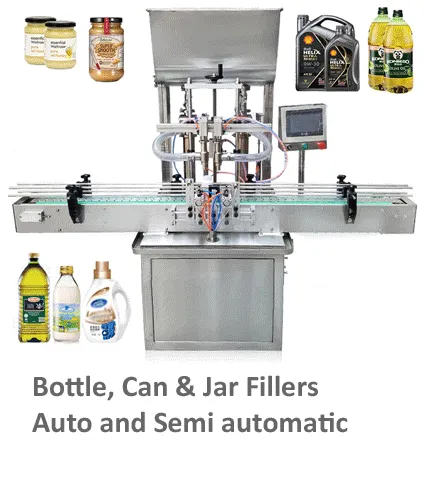
These product pages are useful starting points when discussing bespoke liquid filling machines.
Relevant Lancing machinery to discuss when specifying bespoke liquid filling machines projects.
View productRelevant Lancing machinery to discuss when specifying bespoke liquid filling machines projects.
View productRelevant Lancing machinery to discuss when specifying bespoke liquid filling machines projects.
View productRelevant Lancing machinery to discuss when specifying bespoke liquid filling machines projects.
View productFAQs
Send the product name, viscosity or sample details, fill volume, container dimensions, closure type, required output, cleaning needs and any safety or material compatibility requirements.
Yes. Lancing can discuss semi-automatic, compact and fully automatic configurations depending on output target, product behaviour, budget and future production plans.
The correct method depends on viscosity, foaming, particles, fill range, container type, accuracy requirement and production speed. A short specification review is usually the safest way to narrow the options.
Related guides
Need a recommendation?
Lancing will recommend a suitable semi-automatic, compact or fully automatic filling solution.
For a bespoke liquid filler, list the requirements that cannot change and explain why each one matters. These may concern the product, unusual container, existing site interface or a required production task. Keep optional preferences in a separate list so suppliers can explain alternative approaches. A clear distinction helps the proposal solve the unusual part of the project without quietly adding complexity that is not needed for the accepted pack.
Ask whether the intended duty can be met by a documented standard configuration or available options. A custom design deserves consideration where a defined product, pack or integration requirement remains unresolved, with acceptance evidence agreed for that requirement.